



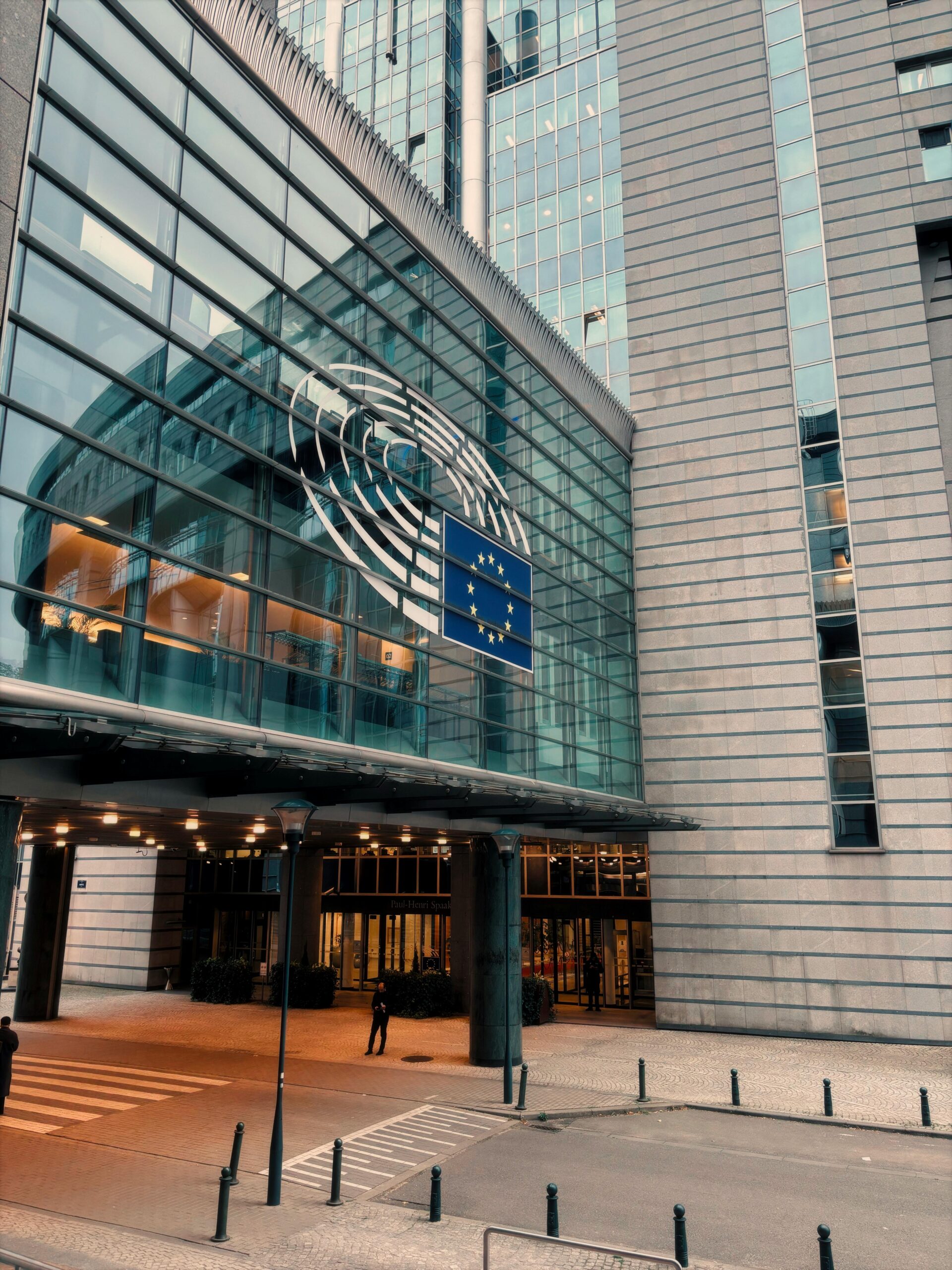
The European Parliament today adopted a resolution assessing that Serbia has made limited or no progress in many negotiating chapters and reiterates that EU accession negotiations should advance only on the basis of measurable and sustainable progress, particularly in the areas of rule of law, the fight against corruption and organized crime, judicial independence, media freedom, and public administration reform.
The resolution, authored by the EP rapporteur for Serbia, Tonino Picula, was adopted with 468 votes in favor, 116 against, and 79 abstentions.
MEPs adopted amendments expressing regret over the campaign to falsely accuse participants of the March 15, 2025 protest in Belgrade of simulating the use of a “sound cannon,” condemning accusations against MEPs of spreading fake news about the protest, and expressing concern over the ruling party in Serbia’s cooperation with the Communist Party of China.
These amendments were submitted by rapporteur Tonino Picula on behalf of the Socialist and Democrats group, together with MP Vladimir Prebilič on behalf of the Greens.
“The European Parliament expresses regret over the campaign of intimidation against peaceful students, journalists, and activists conducted by the Serbian authorities, which relies on a controversial report by the Russian Federal Security Service (FSB) to falsely accuse protest participants of using a sound cannon during the March 15, 2025 protest at Slavija Square in Belgrade,” the amendment states.
The EP also “emphasizes that the use of fear as a weapon to suppress civic dissent is completely unacceptable and incompatible with the fundamental values of the EU and strongly condemns the latest attacks by Serbia’s highest officials on Members of the European Parliament, including false accusations that they spread lies and misinformation about the protest,” the amendment adds to the article in which the EP expresses “deep concern over credible allegations of the use of acoustic weapons against peaceful demonstrators.”
In another amendment, it is stated that the European Parliament notes with concern the recent memorandum of cooperation between the ruling party in Serbia and the Communist Party of China, which raises additional questions regarding Serbia’s strategic commitment to continue its path toward the EU.
During yesterday’s debate at the European Parliament’s plenary session on this year’s report on Serbia, Picula stated that Serbia’s progress in reforms important for EU membership has significantly slowed and that in several key areas, especially in the rule of law, there has been backsliding.
He added that while the authorities in Serbia continue to present EU membership as a strategic goal, the actions of its political leadership “often do not confirm this,” and that there has been no progress in the investigation of the deadly collapse of the entrance canopy at the Novi Sad Railway Station on November 1, 2024.
Picula stated that the report calls on the European Commission to suspend future payments from the Reform and Growth Instrument for the Western Balkans to Serbia due to unfulfilled obligations or lack of results, especially in the field of rule of law, and to reprogram them to strengthen judicial reform, the fight against corruption, independent media, civil society organizations, and the independent cultural sector.
The report on Serbia covers events from 2025, as well as more recent events, including the visit of the European Parliament’s Foreign Affairs Committee (AFET) mission to Serbia from January 22 to 24, 2026.
The report expresses concern over the deepening political crisis in Serbia, as well as over the adoption of amendments to judicial laws, and assesses that the best way to resolve the political crisis is through free and fair elections, with the full, transparent, and inclusive implementation of all ODIHR recommendations.
The text condemns the fact that peaceful protest participants, activists, and journalists have been victims of “a wide range of repressive measures, including excessive use of force and police violence, arbitrary detentions and arrests, political exile, and other forms of intimidation,” and calls for an urgent, impartial, and transparent investigation of allegations of unnecessary and excessive use of force and illegal surveillance of demonstrators, as well as targeted sanctions against individuals responsible for serious and systematic violations of the law and human rights in Serbia.
The document strongly rejects all claims by Serbian officials that the EU and some of its member states were involved in organizing student protests since November 2024 to provoke a “color revolution,” reiterates strong condemnation of the unlawful arrest and expulsion of EU citizens who expressed support for protesting students, and rejects unfounded claims by Serbian authorities that Croatia interfered in the local elections in March 2026.
The need is reiterated for Serbia to clearly and consistently demonstrate its geopolitical orientation toward the EU, including full alignment with the EU’s common foreign and security policy, especially with the restrictive measures the EU has imposed in the context of Russian aggression against Ukraine.
Regarding Kosovo, it is recalled that normalization of relations with Kosovo and the implementation of obligations from the dialogue remain an integral part of Serbia’s European perspective, and calls are made for the full implementation of the Brussels and Ohrid agreements.
Serbia is expected to cooperate with Kosovo to finally bring to justice the perpetrators of the terrorist attack in Banjska in 2023, the document states, and “regret is expressed over the fact that Serbia has not yet prosecuted the perpetrators, especially Milan Radoičić, vice president of the Serbian List.”



Your perspective is part of the story
Read other perspectives and join the conversation.