



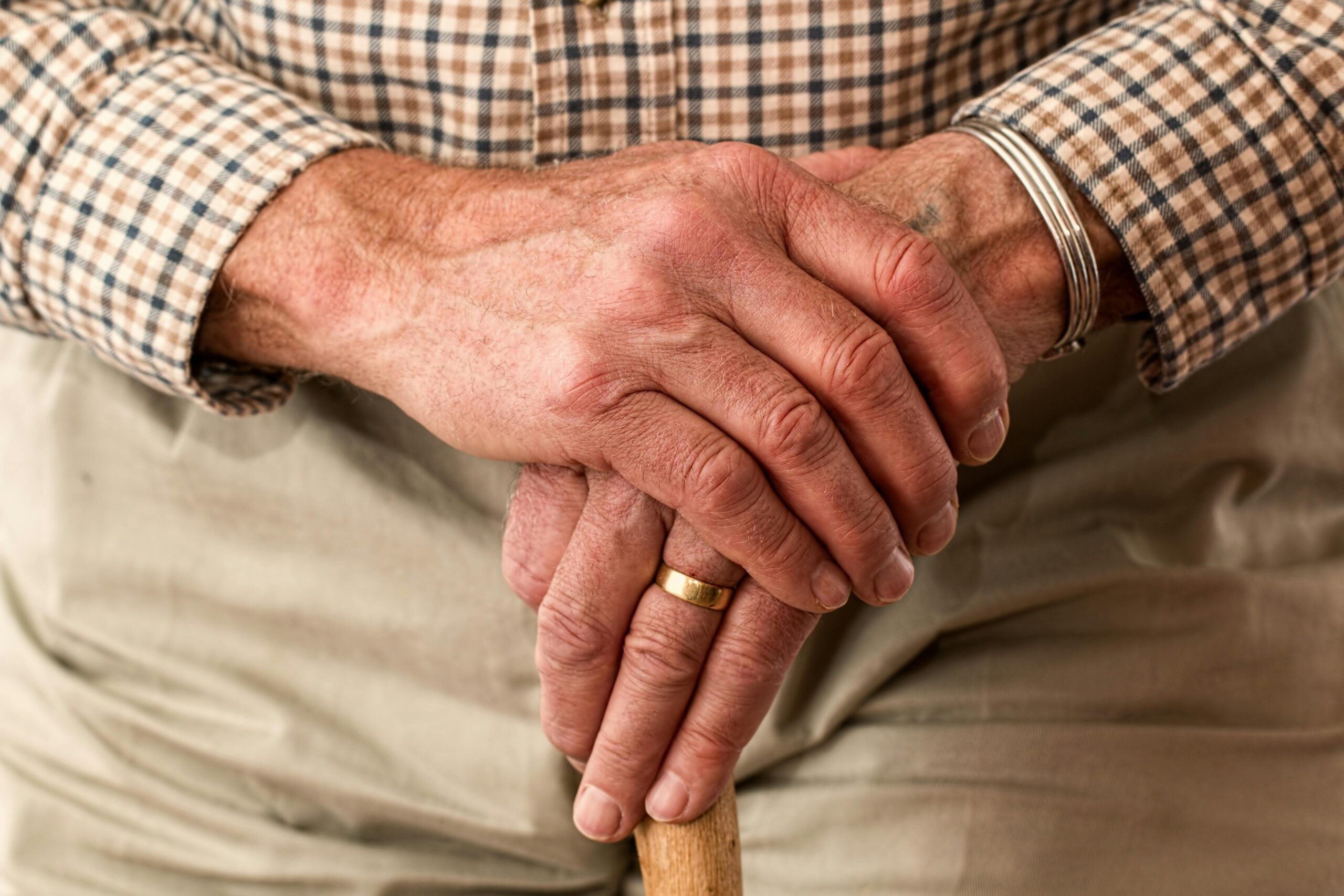
American scientists have analyzed the blood of more than 3,200 people to understand how the biological clock works and why some people age faster, since two people of the same age on paper can be in very different health conditions and age differently, Euronews reported today.
Scientists already use several proven methods to assess the rate at which a person biologically ages. A new study has now examined what happens in the body and what indicates accelerated aging.
Experts analyzed the epigenetic clock, that is, chemical changes around DNA (DNA methylation) that can affect gene behavior without changing the genetic code itself.
The epigenetic clock, as a method studied by scientists, is used in aging research to study the links between biological aging, disease, physical frailty, and risk of death.
“Aging is not just the number of candles on your birthday cake, but also what happens inside your cells,” said T. Em Arpawong, Associate Professor of Gerontology at the University of Southern California.
However, it is still unknown what happens in the body if the epigenetic clock indicates accelerated aging. To find out, American researchers analyzed blood samples from 3,227 participants in the U.S. Health and Retirement Study.
They compared the epigenetic clock with gene activity to see what happened in the body when that clock signaled faster aging.
The study showed different signs of aging in the body. Some were more related to how the body uses energy and cell growth, while others were linked to immune system activity and inflammatory processes in the body.
All blood samples had common characteristics, changes that include the immune system, metabolism, and communication between cells.
According to the researchers, the study could help scientists further investigate what actually influences accelerated aging, such as whether it is the immune system or metabolism.
The main author of the study, Eileen Crimmins from the University of Southern California, believes that the study can help open the “black box” of biological aging clocks.


Your perspective is part of the story
Read other perspectives and join the conversation.