



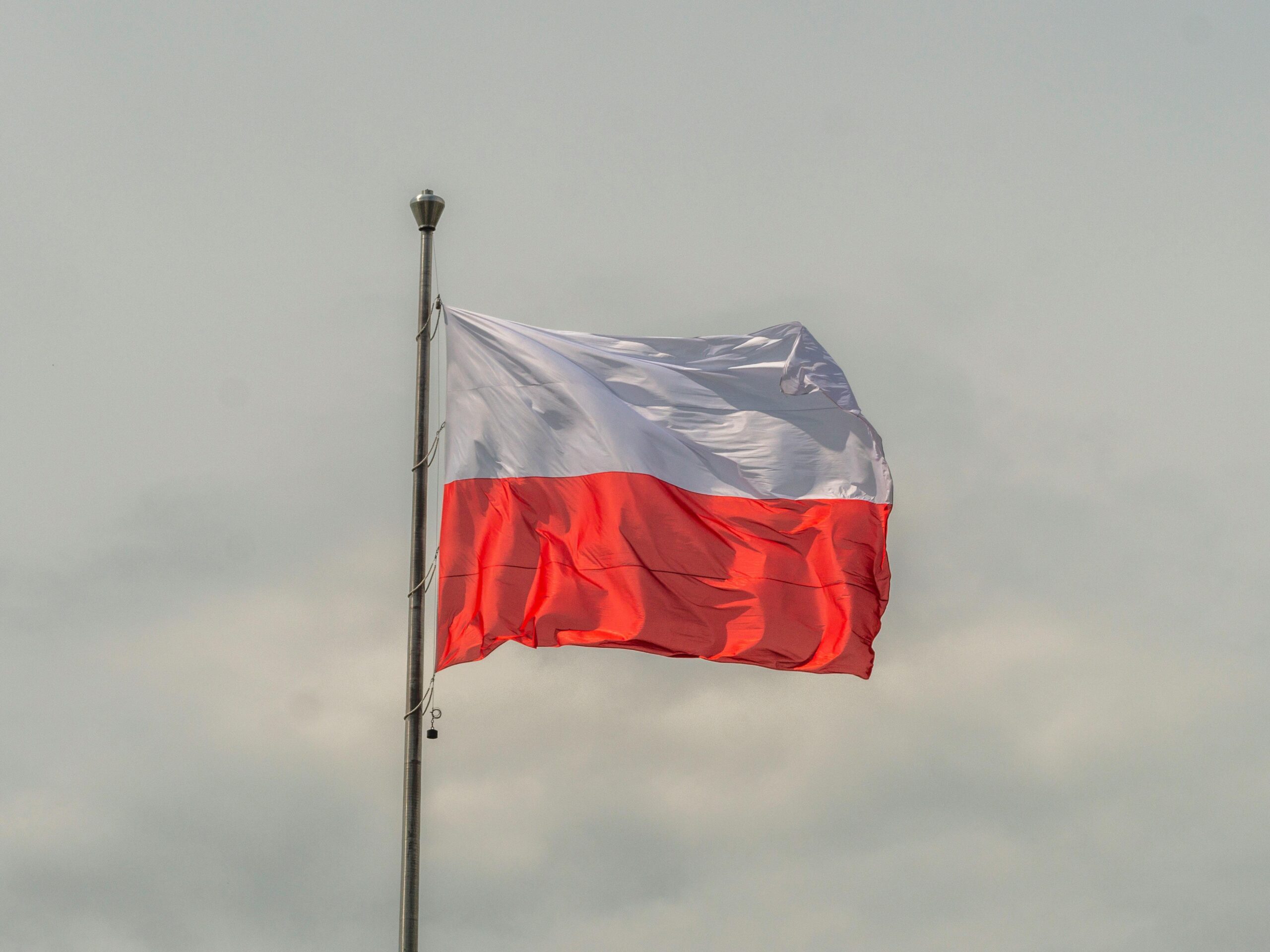
Almost 60 percent of Poles believe that the latest moves by U.S. President Donald Trump do not contribute to a quicker end to the war in Ukraine as they play into Russia’s hands, just as the accusations that Ukrainian President Volodymyr Zelensky does not want peace do not contribute either.
In a poll by the SW Research agency published today by the newspaper Rzeczpospolita, 59.1 percent of Poles stated that Trump’s recent actions do not accelerate the path to peace, while only 17 percent accepted the U.S. president’s version that his actions contribute to ending the war.
In another poll, by the IBRiS agency, threats from Russia of a nuclear attack, including the latest that Moscow would resort to nuclear weapons if NATO attacked the Kaliningrad region, were labeled as bluffing and an attempt to scare them by as many as 70.3 percent of Poles.
Less than a fifth of respondents, 17.1 percent, believe that statements from Moscow are a real threat to their security.
Sociologists warn that the percentage of those convinced that Russia is bluffing and exerting psychological pressure is almost identical among supporters of the right-center government of Prime Minister Donald Tusk and among supporters of the opposition conservative nationalists of former Prime Minister Jarosław Kaczyński.
Previous polls, for example by the IBRiS agency at the beginning of October, show that Poles are not afraid of a direct armed attack by Russia on their country, as only 24.5 percent of those surveyed believe in such a possibility.
However, they perceive Russian hybrid attacks and acts of sabotage and diversion, which they see in their homeland and other European Union countries, as a likely real threat.
When asked what they fear most during the upcoming winter and in the next six months, Poles most often (40.7 percent of respondents) cited rising food prices and the cost of heating and energy, but in fourth place among the greatest concerns were acts of sabotage and diversion as part of hybrid attacks from Russia, according to 29.7 percent of those surveyed.
Fears that Russia might attempt something bigger and more concrete, perhaps even a limited small armed incursion into the territory of a NATO member, are also polarizing the Polish political scene.
“I do not play with forecasts or my own intuition. For me, the basis is information and concrete reports on what to do, which I receive from both our intelligence services and allied ones. All of this has come together into one clear message – some kind of escalation can be expected even before Christmas,” Tusk told Polish journalists late last week during his return from the European Council meeting in Brussels.
Tusk’s frequent warnings in recent days that some Russian trial balloon to test NATO’s collective defense can be expected, and that attacks on border crossings and railways can be expected during the winter—through which Ukraine mainly receives both humanitarian and military aid via Poland—were described by Polish President Karol Nawrocki as sowing fear among Poles.
In a recent interview with the Polish newspaper Rzeczpospolita, Nawrocki accused the prime minister of sowing fear to score political points.
“When I meet our political partners in the world, I hear a direct question: do you know something more than we do? I am familiar with NATO reports, I am in contact with leaders. I do not see a drastic change in threats from Russia recently,” Nawrocki said in an interview with Rzeczpospolita.


Your perspective is part of the story
Start the discussion and be the first to comment on this story.