



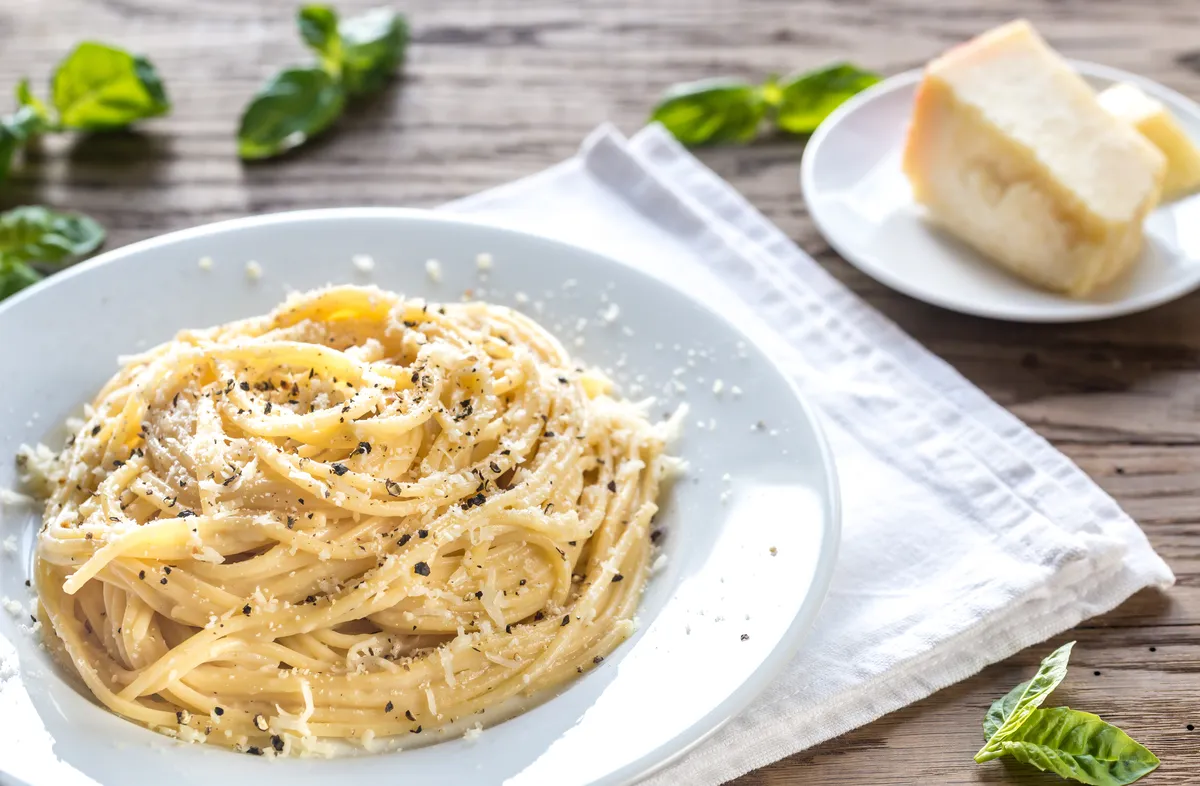
Pasta ends up on plates in a variety of forms, such as spaghetti, fusilli, penne, or tagliatelle, but regardless of the shape, by far the largest quantity of pasta in the European Union is produced in Italy.
According to data from the European statistical office Eurostat, just last year Italy produced 4.2 million tons of various types of pasta. That accounted for 69 percent of the total EU production, which amounted to 6.1 million tons.
Spain ranked second in Europe in production with 379,000 million tons, or six percent of total production. It is followed by Germany with 304,000 million tons, or five percent of EU production. This was not enough for its needs, so it imported almost half a million tons more, mainly from Italy.
Total pasta production in the world amounts to about 17.3 million tons.
The vast majority of pasta produced in the EU was egg-free pasta, accounting for 82 percent. In Italy, the share of pasta with eggs was 17 percent, while in Spain it was only two percent.
A major exception is Germany, where almost half of the pasta produced (46 percent) contained eggs, which is in line with Central European culinary tradition.
Data published in the media on the occasion of World Pasta Day, October 25, show that Italy is also the largest exporter of pasta in the EU, and that Italians are by far the biggest consumers, with consumption per person amounting to 23.5 kilograms per year.
For comparison, in Greece consumption is just over 12 kilograms, and in Germany approximately ten kilograms.
In Italy, the total turnover in the pasta production chain amounts to about 13.5 billion euros, plus about three billion euros that the state earns from VAT.
However, despite high production, export revenues, and consumption, the Italian pasta market is not growing but is instead shrinking. The reasons are numerous, including price increases and a changed demographic picture in the country, writes the portal ilsole24ore.it.
The Italian Food Producers’ Union estimates that the pasta industry invests 550 million euros annually in research and development, which is approximately ten percent of its revenue.
The result is a variety of types of pasta, among which in recent years, although still with just over one percent share in sales, gluten-free pasta, which is not made from wheat, has become popular even among those who are not sensitive to gluten.
The latest trends also include high-protein pasta, pasta with increased fiber content, or those enriched with probiotics and minerals.
World Pasta Day was initiated in 1995 by pasta producers from around the world at the World Pasta Congress in Rome. After that first gathering in Rome, the congress has been held in other cities around the world since 1998. This year, on October 27 and 28, the host is the Italian city of Parma.





Your perspective is part of the story
Start the discussion and be the first to comment on this story.