



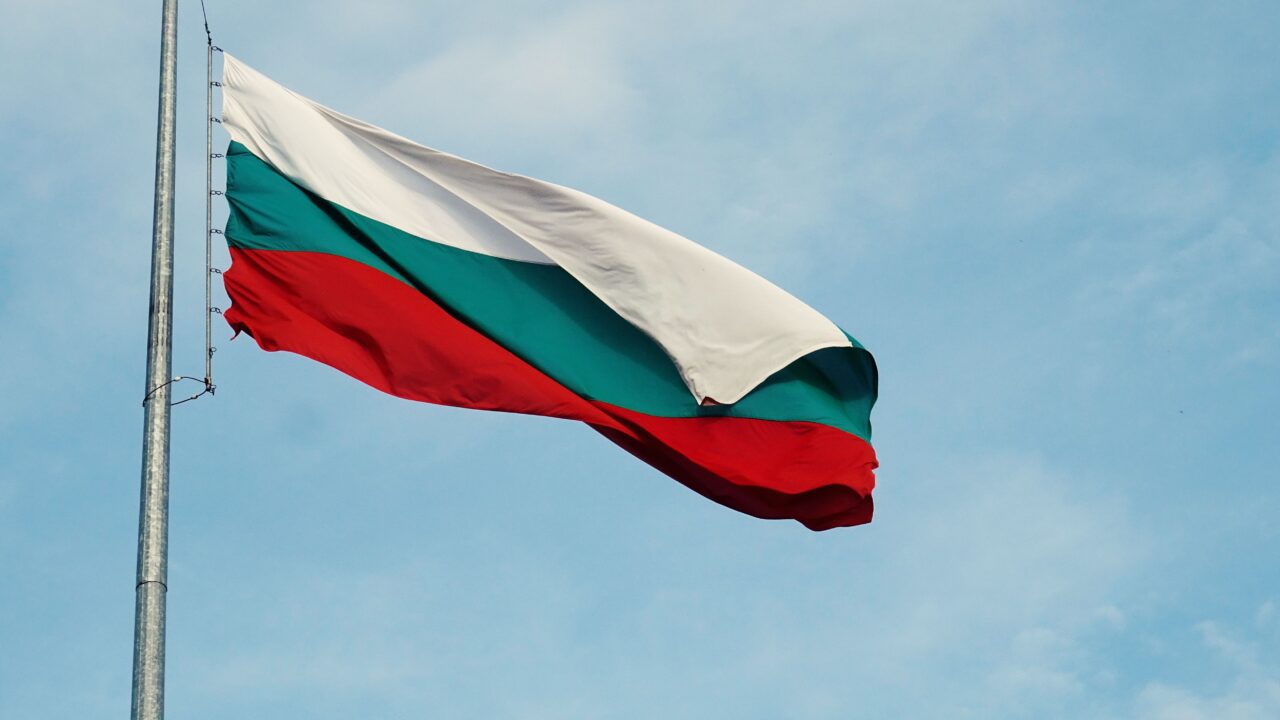
Citizens of Bulgaria are voting today in the first round of the presidential elections, following a campaign marked by increasing economic difficulties and drone attacks on ships in the Black Sea.
Polling stations opened at seven, and citizens will be able to vote until 8 p.m.
The first polls will be published tonight, and preliminary results are expected tomorrow.
The winner is expected to be known only in the second round, which should see the current head of state Ilijana Iotova and economist Andrej Gjurov advance.
To win in the first round, two conditions must be met – turnout must be higher than 50 percent of the 6.6 million registered voters and the winner must secure a majority of votes.
If Iotova wins, she will be the first woman in Bulgaria to be elected president.
She is running in the elections as an independent candidate, but has the support of the ruling Progressive Bulgaria party of Prime Minister Rumen Radev and the Socialist Party, where she began her political career.
Gjurov, former deputy governor of the central bank and prime minister of the caretaker government during the first months of 2026, is supported by the pro-Western reformist opposition.
Iotova was vice president while Radev was president (2017-2026), and she assumed the presidency in January this year, when he resigned to participate in the parliamentary elections on April 19.
Ahead of those elections, Radev founded Progressive Bulgaria, which is considered a center-left party, although it combines elements of left-wing populism, nationalism, social democracy, conservatism, and moderate Euroscepticism.
That party won a convincing victory in the April elections, securing 43 percent of the vote, and Radev became prime minister.
According to a poll conducted by the Market links agency from October 13 to 19, Iotova has the support of 47.3 percent of voters, while Gjurov has 30.6 percent. Analysts assess that Gjurov’s chances would increase in the second round.
The election campaign was mainly focused on Russia’s war against Ukraine and the spread of that conflict to the Black Sea area, including deadly drone attacks on merchant ships.
Candidates also sought to address public concerns over the sharp rise in energy prices and high inflation, at a time when many Bulgarians in rural areas are struggling to make ends meet.
In Bulgaria, the role of president is predominantly ceremonial, as in Serbia – the head of state does not have executive powers and all important decisions must be approved by parliament, but direct election gives the president political authority.
The president of Bulgaria is elected directly for a five-year term and no one can serve more than two terms, as in Serbia.



Your perspective is part of the story
Start the discussion and be the first to comment on this story.