



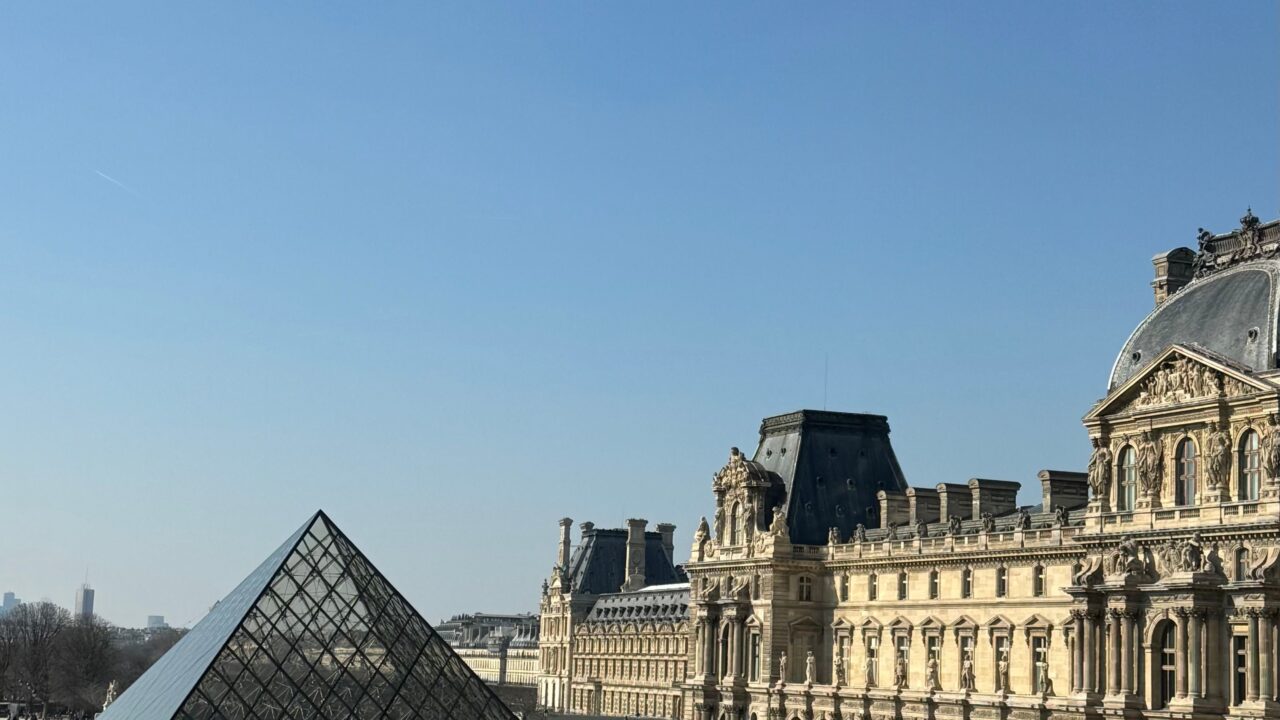
Major museums in Paris are closed today, and authorities have deployed a large number of police officers due to new protests announced across the country, hoping to prevent a repeat of last week’s violent unrest.
Interior Minister Laurent Nunez stated that 70,000 security personnel will be deployed nationwide, along with helicopters, armored vehicles, and water cannons.
A very large turnout is again expected at the protests, and last week more than half a million people took to the streets.
In Paris today, major museums such as the Louvre, Orsay, Picasso Museum, and Grand Palais are closed, while the organizers of “Art Basel,” one of the world’s most prestigious contemporary art fairs, have canceled their weekend program.
Shop owners in Paris are putting up wooden panels on their storefronts to protect them, after more than 3,000 stores were looted and damaged last weekend.
Protest marches are scheduled in Paris, Marseille, and Orléans, while local authorities in Lyon, Nice, and Montpellier have banned gatherings.
Unions have criticized the bans, calling them a violation of freedom of expression, which is protected by the constitution.
Around 50 organizations have called for a protest against the far right, parallel to the two-day congress of Marine Le Pen’s nationalist, anti-immigration party National Rally, ahead of the presidential elections to be held next spring.
Among the protest organizers are unions, left-wing parties, student groups, and anti-racist groups.
The protests originally broke out in September at a high school southeast of Paris, where students rebelled due to a lack of staff and funding.
Boycotts of classes and demonstrations then spread to other Paris suburbs, and then to the entire country, including smaller towns.
Some have also called for reform of the university admissions system, which many consider unfair.


Your perspective is part of the story
Start the discussion and be the first to comment on this story.