



The percentage of people living in single-person households in the European Union last year was 16.5 percent, with the proportionally highest number of people living alone found in Scandinavian and Baltic countries, according to data from the European statistical agency Eurostat.
The percentage of people living alone was also above the European average in Germany, where out of a total population of around 84 million, every fifth person (20.9 percent), or about 17.3 million people, lived alone, the German Federal Statistical Office (Destatis) announced today.
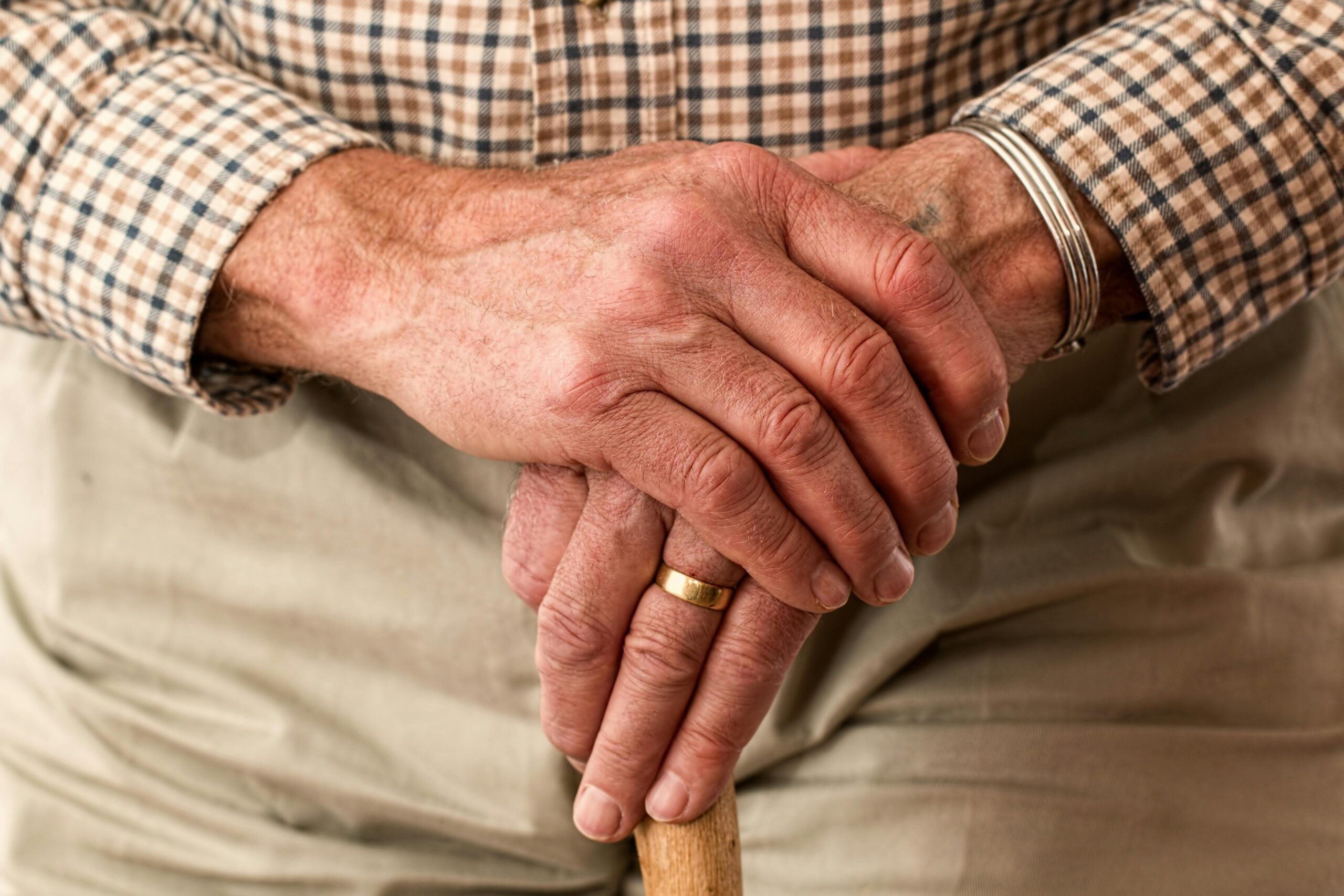
The number of such individuals has increased significantly over the past twenty years, from 14.2 million in 2005. Most often, these are elderly people. In the category of those over 65 years old, it was more than one third (34.4 percent), and among those over 85 years old, as many as every second person (55.8 percent).
The number of people living alone in Germany rises in proportion to the size of the settlement. In large cities with more than 100,000 inhabitants, such single-person households accounted for 25.9 percent, while in small local municipalities with fewer than 20,000 inhabitants, the figure was 17.2 percent.
The average percentage of people living in single-person households in the EU is 16.5 percent, but the differences are significant. Proportionally more than in Germany, such people were found in Lithuania (31.4 percent), Finland (25.8 percent), Denmark (24.3 percent), Estonia and Sweden (22 percent each).
On the other end of the scale, the fewest are in Slovakia (3.0 percent), Ireland (8.1 percent), and Poland (9.2 percent).
However, although people living alone in Germany make up about one fifth of the population, among the total number of households, which stands at 41.1 million, the share of single-person households last year was as high as 42.1 percent.




Your perspective is part of the story
Read other perspectives and join the conversation.