



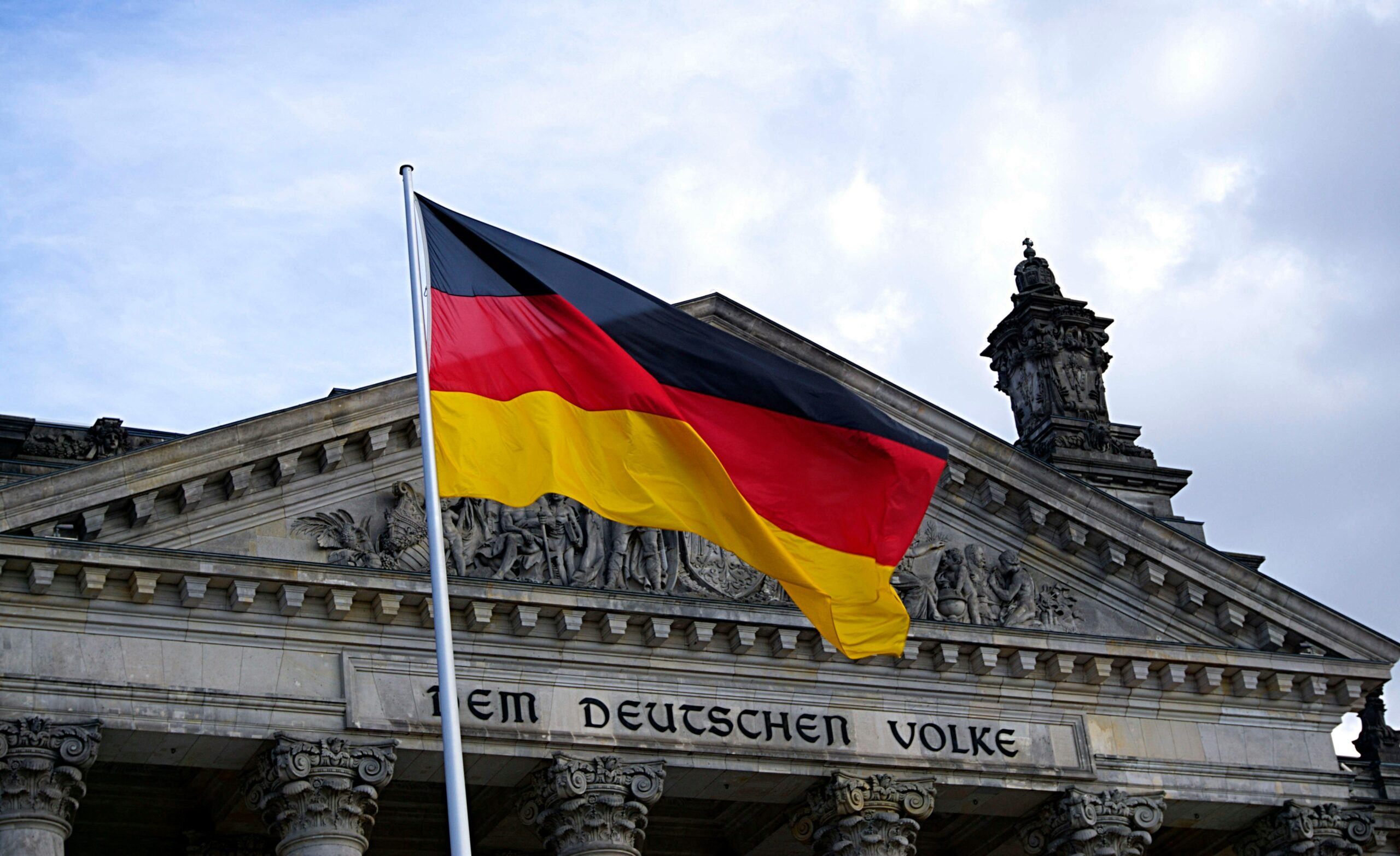
Polling stations opened today in the eastern German region of Saxony-Anhalt, in elections where, for the first time in postwar history, a far-right government could come to power.
The vote in Saxony-Anhalt, a region of 2.1 million people west of Berlin, has been given outsized significance because it presents the greatest chance so far for a representative of the far-right, anti-immigration Alternative for Germany (AfD) party to become governor.
This would be the greatest success in the 13-year history of the party at a time when there is widespread dissatisfaction with the unpopular national government, which has yet to convince voters it can jumpstart the country’s sluggish economy. It would also be, at least symbolically, a blow to Chancellor Friedrich Merz, whose center-right party has been in power in Saxony-Anhalt for the past 24 years.
AfD is the largest opposition party in the German parliament and the strongest in the former communist and less prosperous east of the country, where Saxony-Anhalt is located. Their candidate for governor, Ulrich Siegmund, stated that they will “make history here.”
Although the party has consistently strong support, its chances of taking power are uncertain even if it is significantly ahead of its opponents, writes the AP agency.
AfD hopes to win an absolute majority in the state’s legislative body today. This would overcome the so-called “firewall”—the refusal of mainstream parties to cooperate with AfD, whose regional branch is one of several that the domestic intelligence service has labeled as a proven far-right extremist group. AfD strongly rejects accusations of extremism.
The party’s national co-leaders, Alice Weidel and Tino Chrupalla, said this week that AfD wants to enforce the country’s laws, for example, to curb illegal migration and “ensure that Germany remains a country worth living in.” They condemned the actions of other parties, arguing that an absolute majority for AfD is “almost the only chance to change course.”
Merz stated that an AfD government would be an economic own goal.
“If there were an absolute majority for the right-wing populist party next Monday, then international investors would think three times before investing in Saxony-Anhalt,” Merz said.
Siegmund said he would seek to be elected regional governor by lawmakers only if AfD wins an absolute majority, stating that it is necessary to break the pattern of parties not keeping their electoral promises.
Whether the party will win a majority will depend, as expected, partly on whether parties such as the center-left Social Democratic Party and the Greens cross the five percent threshold required for seats in the regional parliament. If there is no absolute majority for AfD, it is unlikely the party will find a coalition partner.
Outgoing governor Sven Schulze of Merz’s Christian Democratic Union (CDU) said he would not cooperate with the far-right party and that his CDU supports him 100 percent. But if AfD comes first, even without an absolute majority, it will likely have difficulty forming a stable government.
After today’s vote, there will be two more tests for Merz’s CDU party and its main partners in the national government, the Social Democrats, on September 20. Elections will then be held in Mecklenburg-Western Pomerania, an eastern region where the center-left government faces a strong challenge from AfD, and in Berlin, where Merz’s party currently governs.






Your perspective is part of the story
Read other perspectives and join the conversation.