

EU member states will be able to finance small local media outlets without seeking approval from Brussels, according to a draft of revised state aid rules that prioritize small and medium-sized enterprises, innovation, and social inclusion.
Brussels-based Politico, which had access to the draft, reports that Brussels strictly controls government subsidies to businesses in the EU, but that there are exceptions defined by frameworks, with the main framework—the General Block Exemption Regulation (GBER)—set to be amended by the end of the year.
The European Commission published an initial draft for public consultation in February with the aim of finalizing it by the end of the year. The updated 200-page draft gives priority to local and independent journalism by allowing governments to fund small and medium-sized media outlets without formal scrutiny from Brussels.
“Small and medium-sized enterprises active in the press sector play a key role in safeguarding media pluralism, cultural and linguistic diversity, and citizens’ access to reliable information, especially at the local and regional level,” the Commission stated.
The Commission also highlighted the structural challenges arising from the digital transformation of the media market, Politico reported.
To qualify for state aid, beneficiaries would have to meet at least one item from the Commission’s checklist, which includes preserving media pluralism and diversity of opinion, as well as transitioning to digital content while maintaining print editions.
“The exemption covers aid that pursues cultural objectives, including linguistic diversity, digitization of print publications, or promotion of print,” Carol Mačkovič, a lawyer at Covington & Burling, told Politico regarding the measures for the press.
The GBER regulation otherwise covers most sectors of the economy, from agriculture to transport, and is the target of intense lobbying from EU capitals.
Among EU member states, on one side are countries like Germany, which spends heavily on state aid, and on the other, smaller states, including the Nordics who advocate for free trade and complain that national subsidies distort the EU single market.
Denmark, contrary to stereotype, has been a leading advocate for extending the GBER exemption to media. Last year, the Danes said during consultations that the state aid framework should be expanded to include private and public media providers “to promote harmonization and simplify the overall management of state aid in the media sector.”
The latest GBER draft is strongly focused on small and medium-sized enterprises and innovation, as well as the social dimension of state aid, as it expands the conditions for funds that governments can invest in training programs and the inclusion of disadvantaged workers.
This, however, may not make things easier, according to Mačkovič. “Although the aim of the revision is to simplify the state aid framework, it could ultimately make it more extensive and normative,” she warned.
Mačkovič said that the Commission’s gradual shift from broad categories of aid to narrowly defined exemptions could lead EU member states to devise measures that do not fully meet the real needs of companies in order to avoid notifying the EC.
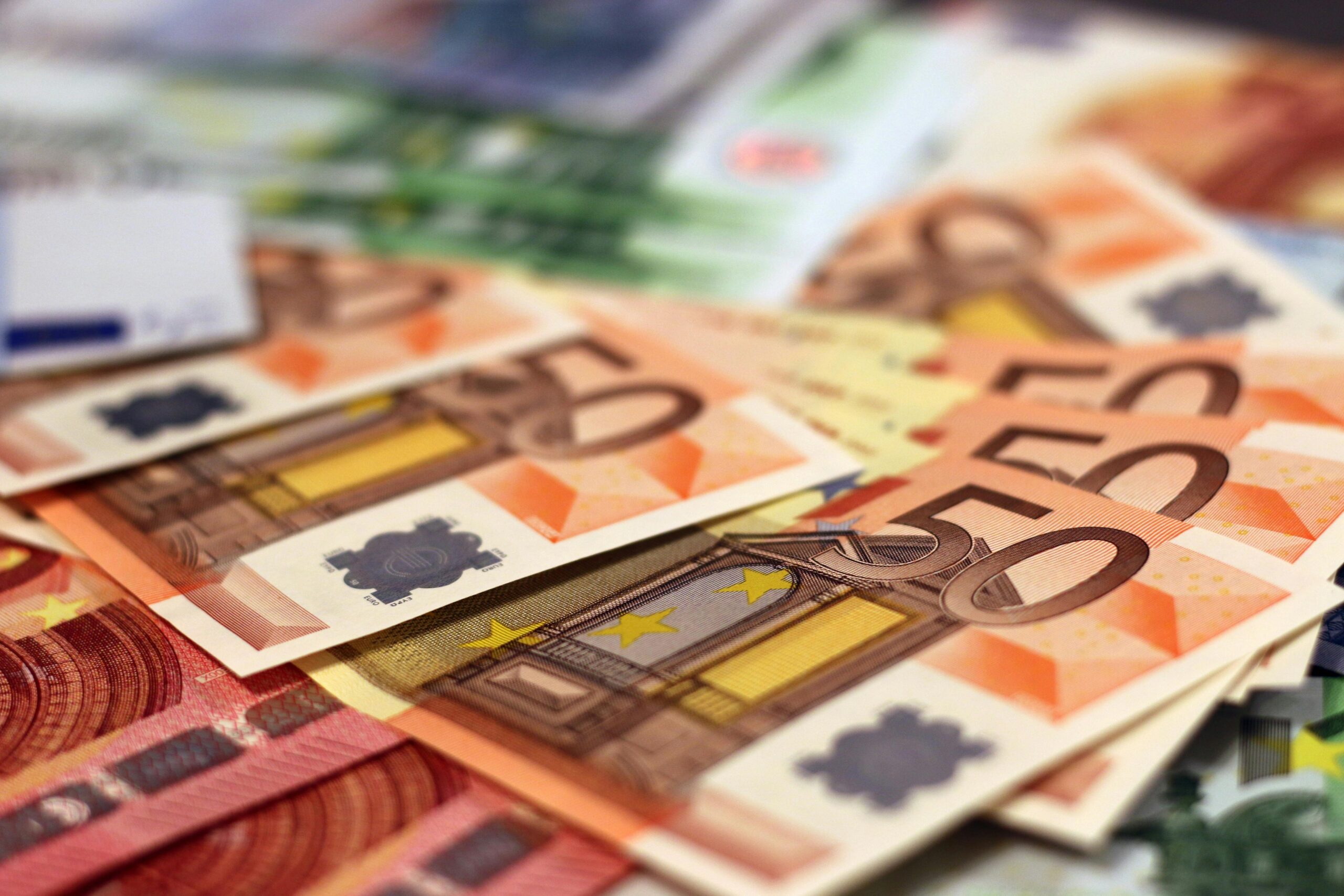
Commission data show that in 2024, EU member states spent €168.2 billion on state aid, with Germany, France, and Italy spending the most.


Your perspective is part of the story
Read other perspectives and join the conversation.