




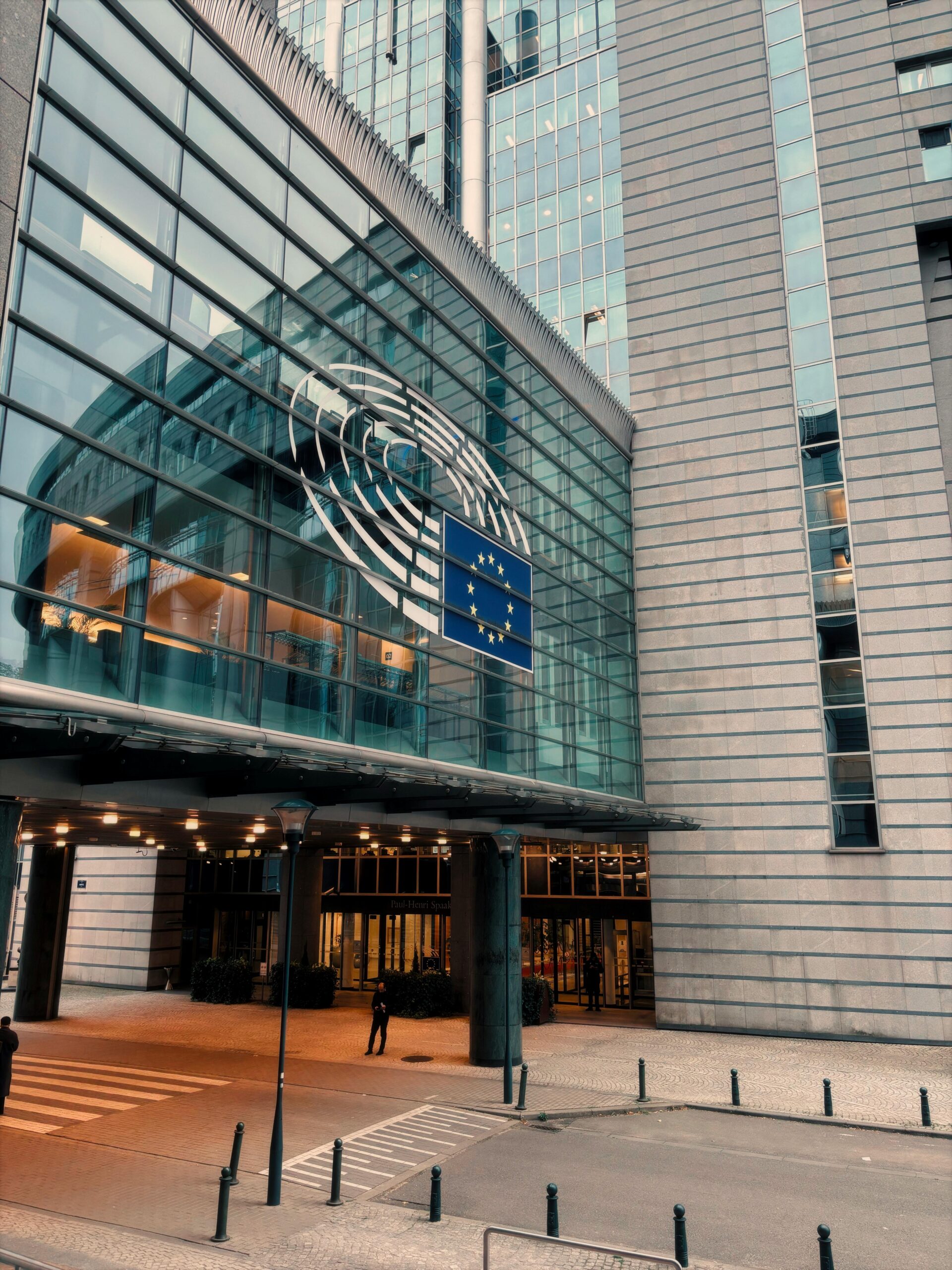
The European Commission, after the Serbian parliament amended controversial laws, is now seeking ways to encourage Belgrade to continue reforms and stop backsliding on democracy, EU officials told Politico, some of whom remain skeptical about the country’s progress in EU integration and the opening of a new negotiation cluster.
The Serbian Assembly last week voted to amend the so-called Mrdić laws, which international legal experts had warned would undermine the independence of the judiciary and weaken the fight against organized crime.
However, EU plans regarding Serbia will be postponed after President Aleksandar Vučić announced over the weekend that he plans to resign and call elections.
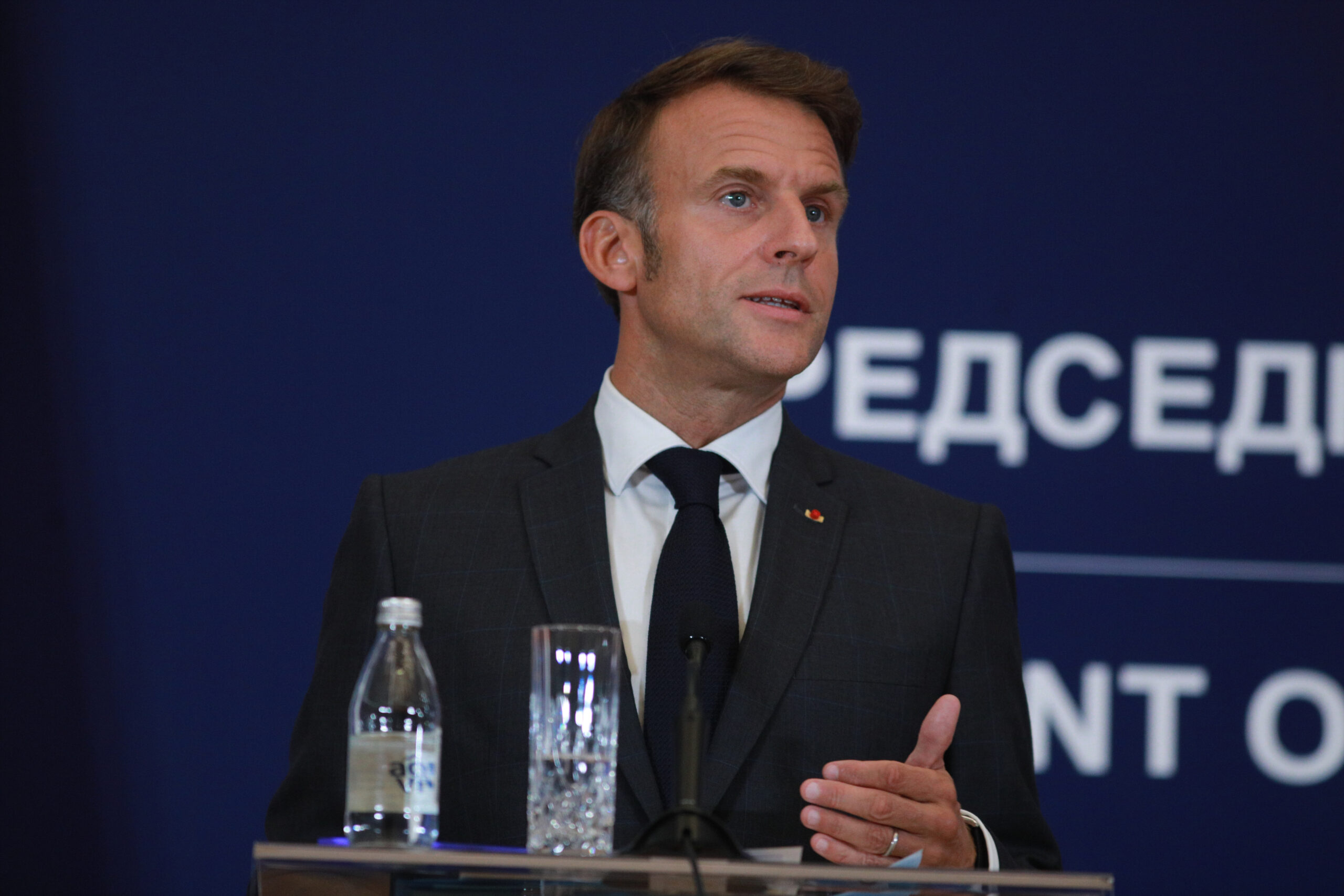
European Commission President Ursula von der Leyen, French President Emmanuel Macron, and German Chancellor Friedrich Merz met with Vučić at the EU-Western Balkans summit in Tivat earlier this month and discussed the possibility of Belgrade being “rewarded” if it makes a complete turnaround regarding laws incompatible with EU membership, two EU officials told Politico.
“There is a general feeling that we should not completely ‘lose’ Serbia,” one official said, adding that it is important for the country to continue engaging in the accession process and be encouraged to implement reforms, even though it will not join the EU soon.
European Commissioner for Enlargement Marta Kos spoke with the President of the Serbian Assembly after the amendments to the laws about “the next steps for Serbia to move forward on its path to the EU.”
However, over the weekend Vučić announced his resignation at a rally of the ruling Serbian Progressive Party, and Serbia will go to elections.
According to Politico, despite prolonged protests and public dissatisfaction over corruption allegations, Vučić is expected to run for prime minister.
“From what we’ve heard, it’s not clear who will be… the candidates in the upcoming elections,” said Commission spokesperson Paula Pinheiro.
Serbia, which has been an EU candidate since 2012, has been warned that it could lose more than a billion euros in funding due to democratic backsliding and close ties with Russia.
The EU is the largest provider of financial assistance to Serbia, which, according to government data in Belgrade, has received more than seven billion euros in funds and investments from the EU since 2000.
Serbia is now striving in the coming weeks to open the third of six negotiation clusters. The opening of this cluster was recommended by the Commission several years ago.
Serbia’s ambassador to the EU and head of the accession team, Danijel Apostolović, said that the country had adopted a set of judicial laws fully aligned with the recommendations of the Venice Commission and that opening cluster three, which relates to competitiveness and inclusive growth, would be important for both Serbia and the EU.
“This would mark a turning point in Serbia’s accession process and finally allow us to break out of the vicious circle in which we have been trapped for years,” Apostolović said.
However, diplomats from two EU capitals skeptical about Serbia’s progress warn that the opening of a new negotiation cluster is unlikely.
“Returning to the starting point by correcting the damage you have caused is the minimum; that cannot be enough to deserve a reward,” one diplomat told Politico.
Your perspective is part of the story
Read other perspectives and join the conversation.