



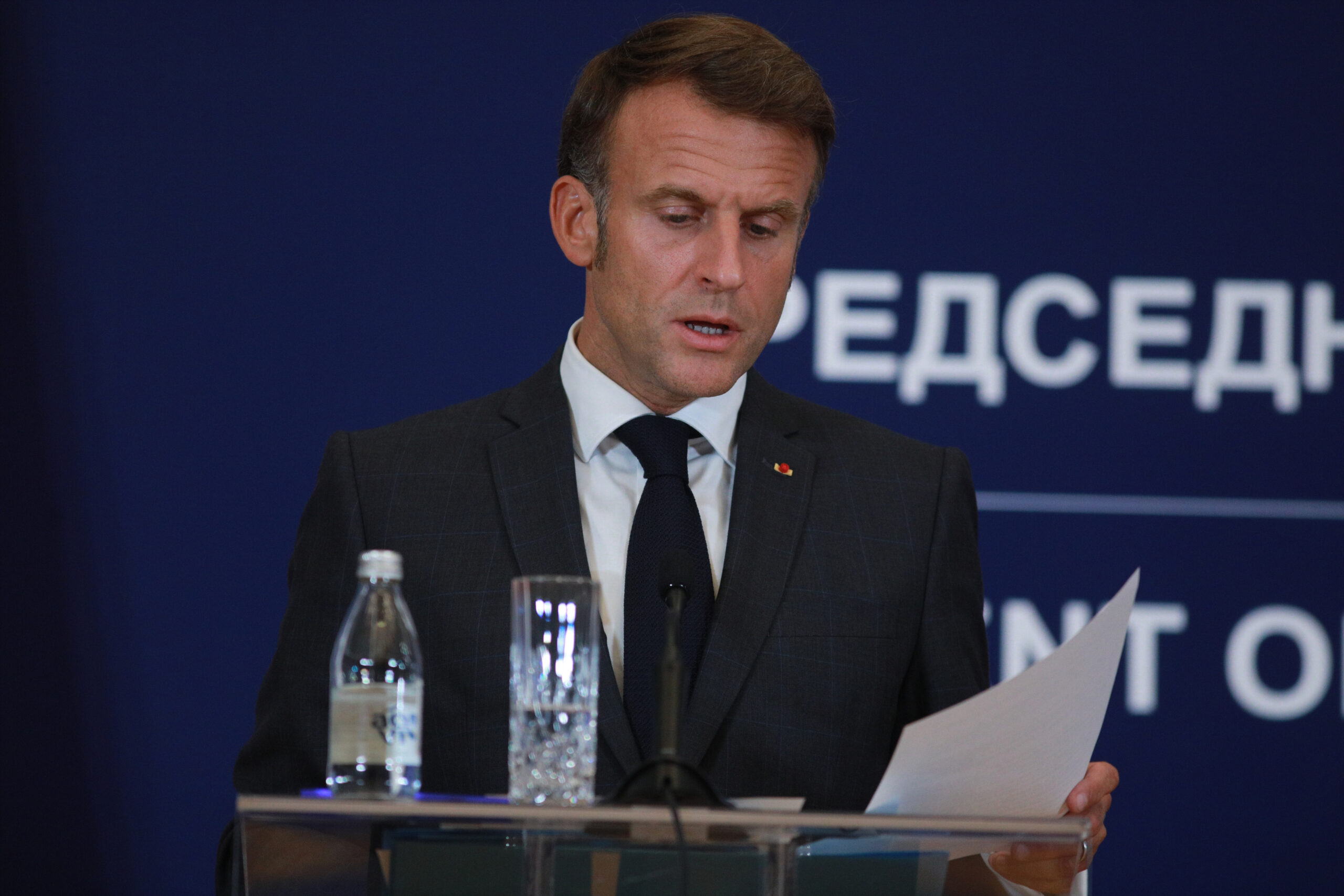
Emmanuel Macron and Friedrich Merz play a key role in reaching an agreement on the next seven-year EU budget, but they are under political pressure and may be too weak to immediately break the deadlock between capitals, according to the report.
At a two-day summit in Brussels, leaders are facing divisions: a group led by Germany is advocating for a smaller budget, while countries like France reject cuts. The adoption of the multiannual financial framework worth about two trillion euros requires compromise from all member states.
European parliamentarian Siegfried Mureșan warned that “The EU budget can only be adopted through compromise…” and that speeding up the decision is important for implementing policies that strengthen competitiveness, agriculture, research, and the protection of borders and cyberspace.
Diplomats and officials in Brussels, Paris, and Berlin assess that an agreement between the French and German leaders would be a decisive step, but remind that Macron will soon leave office, while Merz is under pressure after poor election results for his coalition.
Talks are underway about possible sources of EU revenue, including the idea of own resources such as a levy on online gambling, but Berlin is more cautious about their potential value. At the same time, Paris wants to stabilize national contributions and avoid “massive cuts” to the budget.
Analysts and some officials believe that the positions of Paris and Berlin are more similar than they appear publicly, but that the political weakness of the leaders reduces the likelihood of a quick breakthrough at the summit.



Your perspective is part of the story
Start the discussion and be the first to comment on this story.