



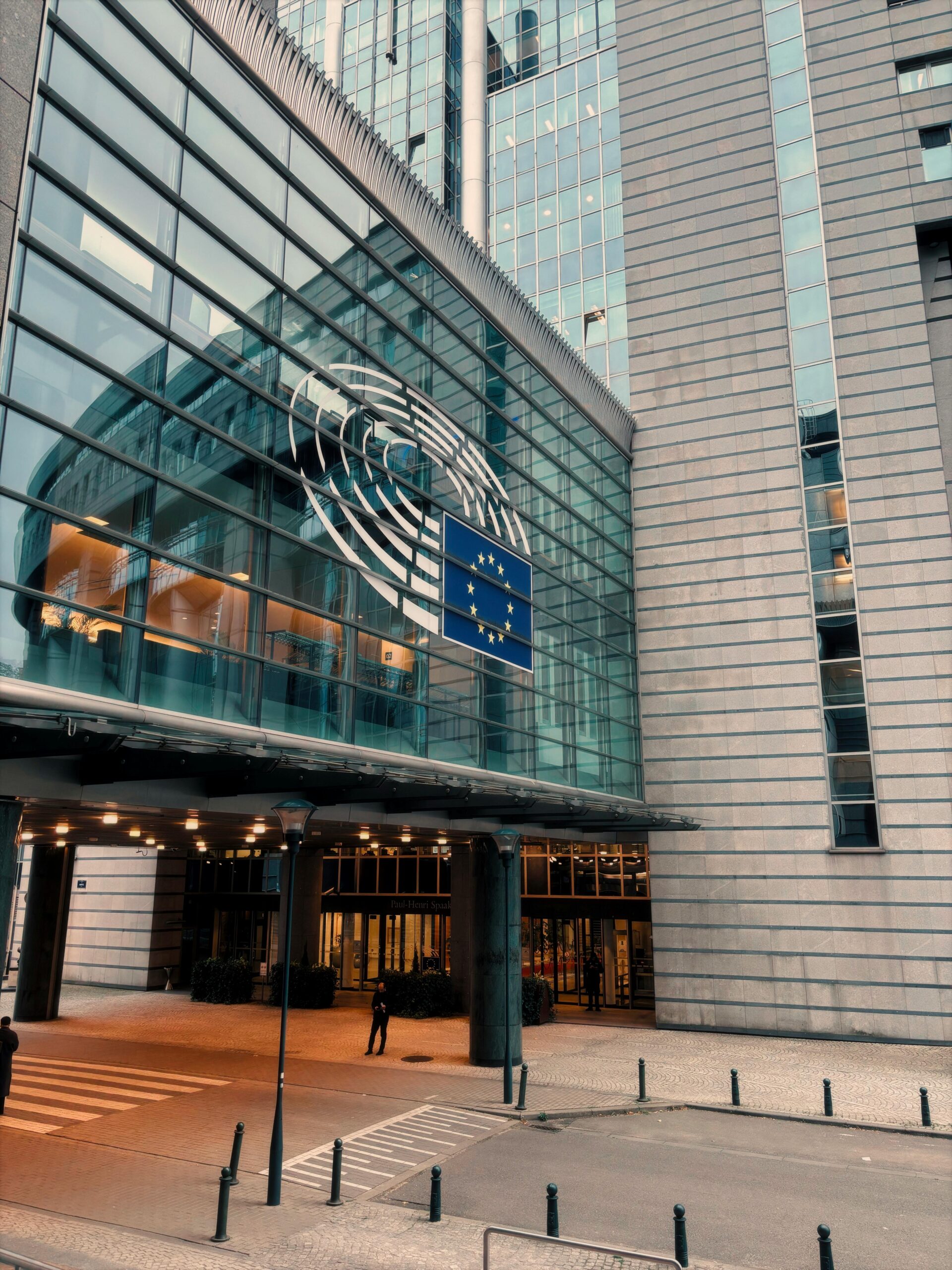
The EU enlargement process is accelerating, and the relevant department of the European Commission is running out of capacity to simultaneously manage negotiations with several candidate countries for membership. As it appears, enlargement risks becoming a victim of its own success.
The Commission’s Directorate-General for Enlargement and Eastern Neighbourhood (DG ENEST) is facing an increasing capacity challenge, three sources familiar with the situation told the Brussels-based portal Euronews today.
The pressure on the Directorate is the result of momentum in the bloc’s enlargement—in the past six months, more negotiating chapters have been closed than in the past ten years.
Montenegro is leading the process, and work is currently underway on the country’s EU accession treaty, with Montenegro aiming to become the 28th member state in 2028. Next is Albania, which hopes that work on its EU accession treaty will begin as early as the start of next year.
It is stated that finalizing the work on Montenegro’s EU accession, through the establishment of a special working group, required a significant reallocation of resources, especially officials engaged with Western Balkan countries that have not made progress recently.
“It’s not only the candidate countries that are struggling to cope with the enormous workload required,” a European official told Euronews on condition of anonymity. “The Commission has lost the institutional memory and capacity of the last wave of enlargement,” he added.
To make matters more complicated, DG ENEST, like many other Commission departments, largely relies on workers with temporary contracts and has few permanent staff. This also means little experience in concluding negotiations, as the last country to join the EU was Croatia in 2013.
Meanwhile, unexpectedly, Iceland is returning to the process and will decide in a referendum on August 29 whether to resume accession negotiations with the EU. If Reykjavik continues on the path to the Union, the Commission would have to form another working group for the accession treaty and significantly increase resources allocated to Iceland.
Points of pressure also include Ukraine and Moldova, which have each opened two negotiating clusters in recent weeks. There is also political pressure to open the remaining four clusters by the end of the year, although Hungary advocates a more gradual approach.
Under the current enlargement methodology, no country has ever opened all negotiating clusters simultaneously. It is noted that Albania is moving exceptionally quickly on its path to the EU, but it still took more than a year to formally open all clusters.
Euronews further writes that the political ambition to advance with several clusters at once, in the case of Ukraine and Moldova, could face a reality check on both sides.
Namely, officials in Brussels admit that progress with so many countries at the same time will require a reprioritization of internal resources, while on the other hand, both Kyiv and Chisinau have reached their limits, as they have never before managed such complex negotiations and legal integration.
It is also stated that the Commission is not the only EU institution “losing control” over enlargement—the EU Council and member states are also struggling to build internal capacities.
After making enlargement the cornerstone of its foreign policy, Brussels will have to prove in the coming months that it has an adequate allocation of resources to match its political commitment.
The Commission did not respond to the Brussels portal’s request for comment.

Your perspective is part of the story
Read other perspectives and join the conversation.