



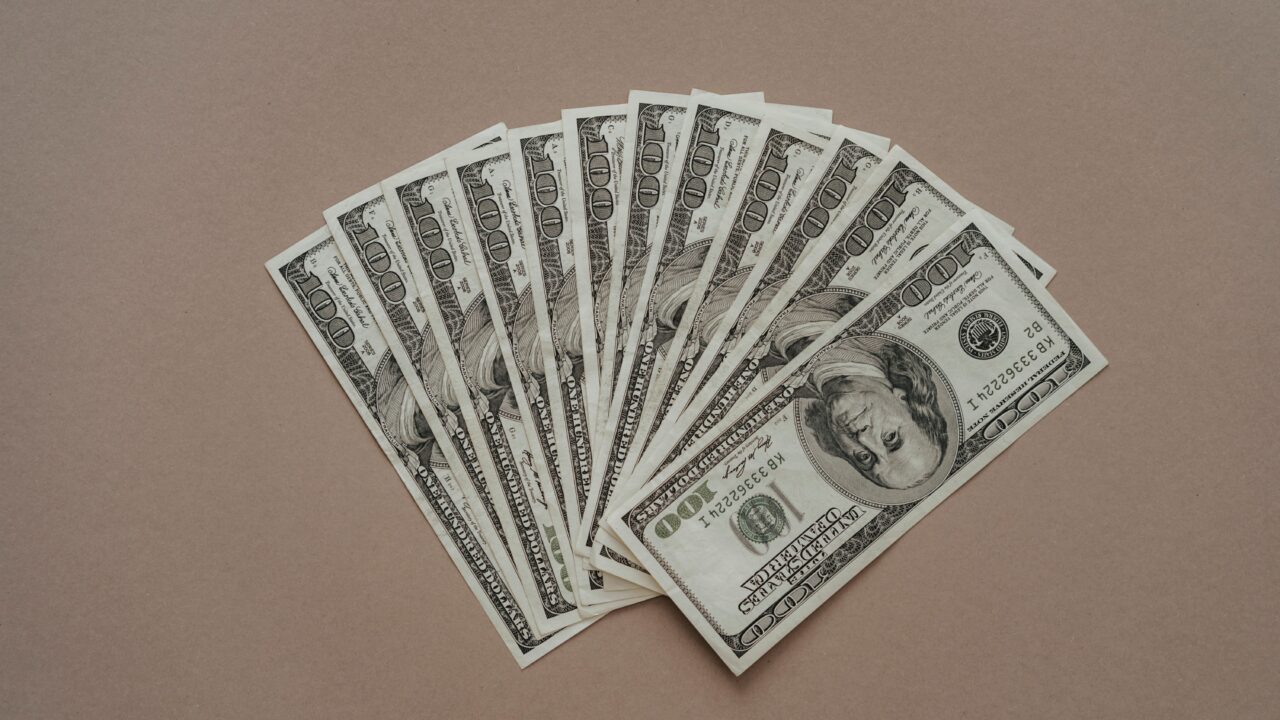
A bill that would gradually increase the federal minimum wage in the US to $25 per hour is nearing the end of the current session of Congress, but so far has not advanced beyond the committee stage in the House of Representatives.
H.R. 8555, known as the Living Wage For All Act, was introduced by Democratic Congresswoman Delia Ramirez of Illinois. According to the text of the proposal, the first increase would raise the federal minimum to $12 per hour, followed by further gradual increases to the targeted $25.
The proposal introduces different deadlines for large and smaller employers: large companies, defined as those with at least 500 employees or annual revenue of at least $1 billion, are expected to reach the $25 threshold by 2032, while other employers would have until 2039.
Once the target is reached, the minimum wage would no longer remain frozen, but would be automatically adjusted to amount to two-thirds of the national median wage. The proposal also envisions the gradual elimination of lower minimum wages for tipped workers, young workers, and certain workers with disabilities.
In the Senate, a similar version was introduced by Senator Chris Murphy during the summer of 2026, but that version has also not yet passed the full legislative process. If Congress does not adopt the proposal before the end of the 119th session, lawmakers would have to reintroduce it in the next session.





Your perspective is part of the story
Read other perspectives and join the conversation.