



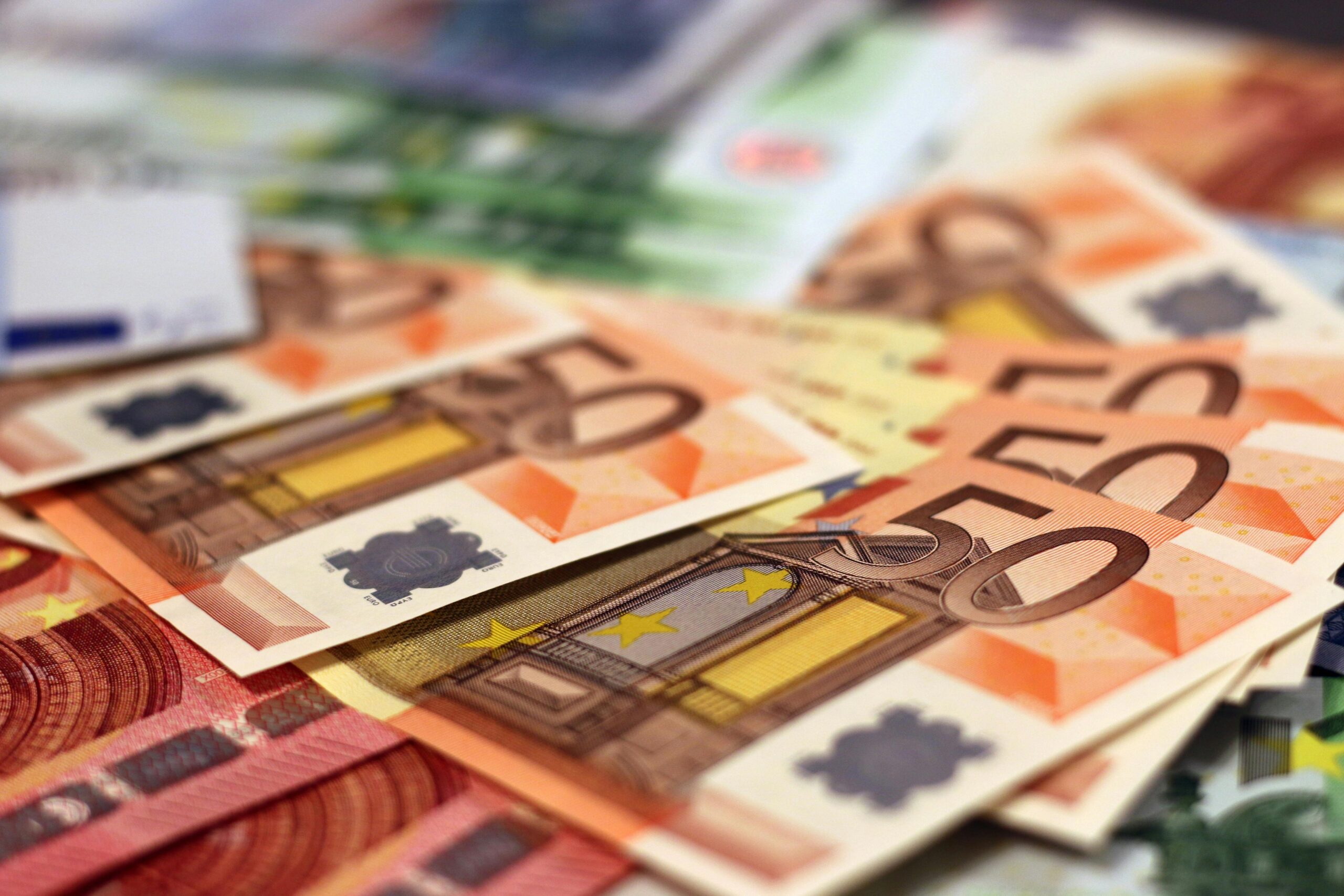
Germany will introduce a statutory minimum hourly wage of 14.60 euros gross as of January 1, 2027, which will affect more than six million employees.
This is an increase of 70 cents compared to the current minimum hourly wage of 13.90 euros, and over two consecutive years, the total minimum wage growth reaches 13.88 percent. For employees working 40 hours a week, the new hourly wage means approximately 2,531 euros gross per month, or about 121 euros more than under the current rules.
The decision to increase the wage is based on the recommendation of the independent Minimum Wage Commission, whose members include representatives of employers, trade unions, and experts from academia. When determining the minimum wage, it is stated that the cost of living, wage trends, economic stability, and the ratio of the minimum wage to the median wage were considered.
At the same time, from January 2027, the permitted monthly earnings for so-called mini-jobs will also increase—from 603 to 633 euros, which has significant consequences for students, pensioners, and those earning additional income. The statutory minimum wage rule has existed since 2015, with exceptions for certain categories such as the self-employed and volunteers.






Your perspective is part of the story
Start the discussion and be the first to comment on this story.